Why pollinators matter

Pollinators do two jobs at once.

They make fruits, vegetables, and seed crops happen. They also reproduce the wild plants that hold soil, feed wildlife, and keep farm landscapes alive. When pollinators thrive, both jobs hold. When they struggle, both jobs slip at once.

Supporting research at References.

How it works

A flower offers nectar. A pollinator moves pollen.

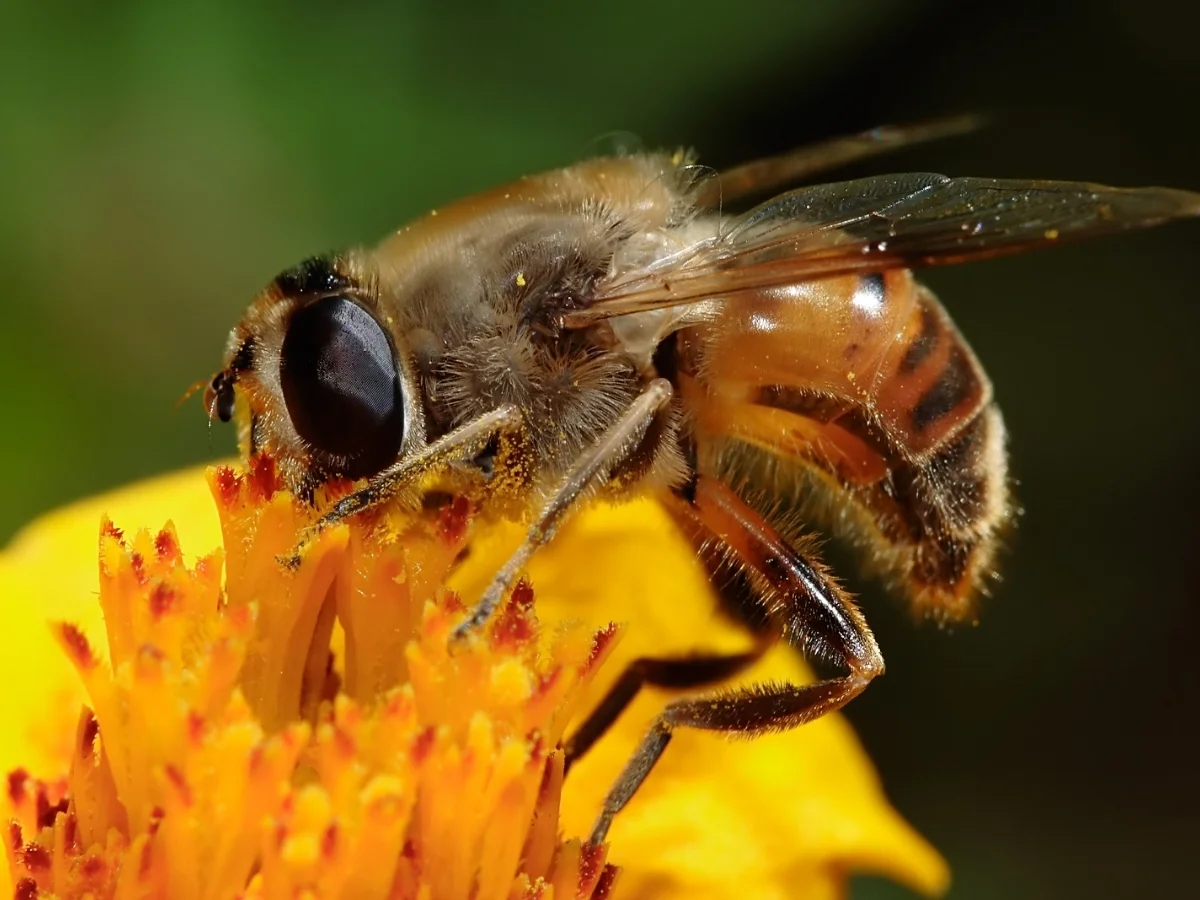
Pollination is a transaction. The flower offers nectar and pollen as energy. The pollinator, in the act of feeding, carries pollen between flowers and makes seed and fruit production possible[1]. That is how most of what you’d call “produce” actually exists. Apples, squash, pumpkins, melons, cucumbers, berries, almonds, and many seed crops all depend on this exchange.

The transaction has a second job, too. Pollinators reproduce the native flowering plants that hold soil, feed wildlife, support watersheds, and keep the ecosystems around farms alive[2]. Both sides of that ledger run on the same insect or bird visiting the same flower. Lose the visit, lose both.

How it works

A flower offers nectar. A pollinator moves pollen. The exchange makes seed and fruit possible, and reproduces the wild plants around the farm at the same time.

The cast

Bees are not the only pollinators, and not all bees are honey bees.

The honey bee is the species most people picture, and it does a lot of the heavy commercial work. But the pollinator story is much wider. Nevada is home to bumble bees, mason and leafcutter bees, butterflies and moths, wasps, beetles, flies, hummingbirds, and bats[2]. Each species pollinates differently, in different weather, on different plants.

Nevada itself is unusually rich. According to UNR’s pollinator resources, the state hosts more than 1,000 bee species[3][2]. That is biological capital, not a deficit. A region with that much diversity is not starting from scratch on pollinator resilience. It is starting with an asset to protect.

A field guide to the locals

Eight species you can actually meet here.

Curated from Xerces Society guidance[1] and UNR Cooperative Extension publications[3], biased toward species residents could plausibly identify in their own yards. Scroll across, or use the arrow keys. Hover any card to see the species in habitat.
01 / 08

  1. Honey bees

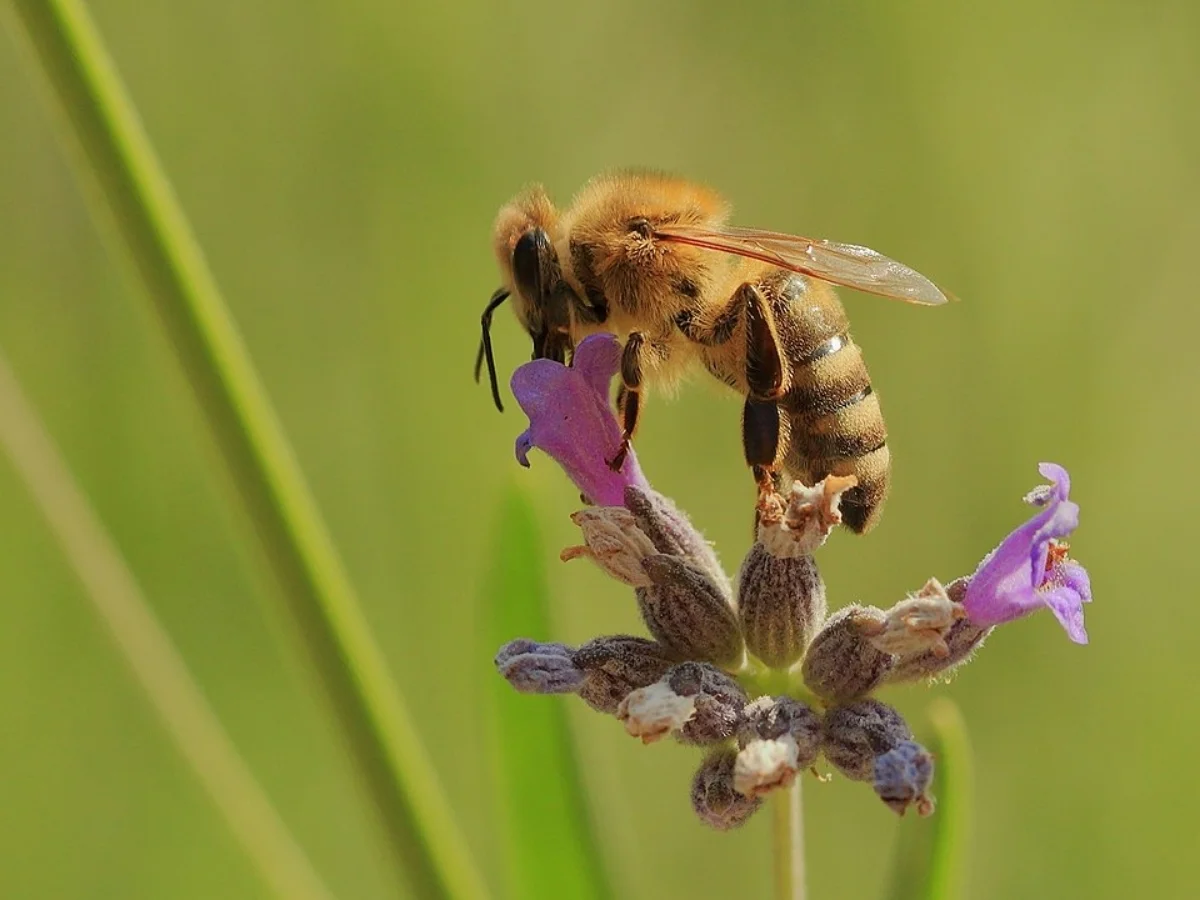
    Western Honey Bee

    Apis mellifera

    Pollinates
    Alfalfa, melons, squash, sunflowers, fruit trees, and most flowering ornamentals in residential yards.
    When active
    Spring through fall. Foragers fly whenever daytime highs are above ~55°F. In the Truckee Meadows: typically late March through October.
    Field note
    The species most people picture, but technically a managed import. It’s the only honey bee in North America, and it shares the load with hundreds of native species you walk past more often than you think.
    Photograph of a Western Honey Bee, Apis mellifera

    Western Honey Bee

    Apis mellifera

    Photo: Martin Falbisoner / Wikimedia Commons · CC BY-SA 4.0

  2. Bumble bees

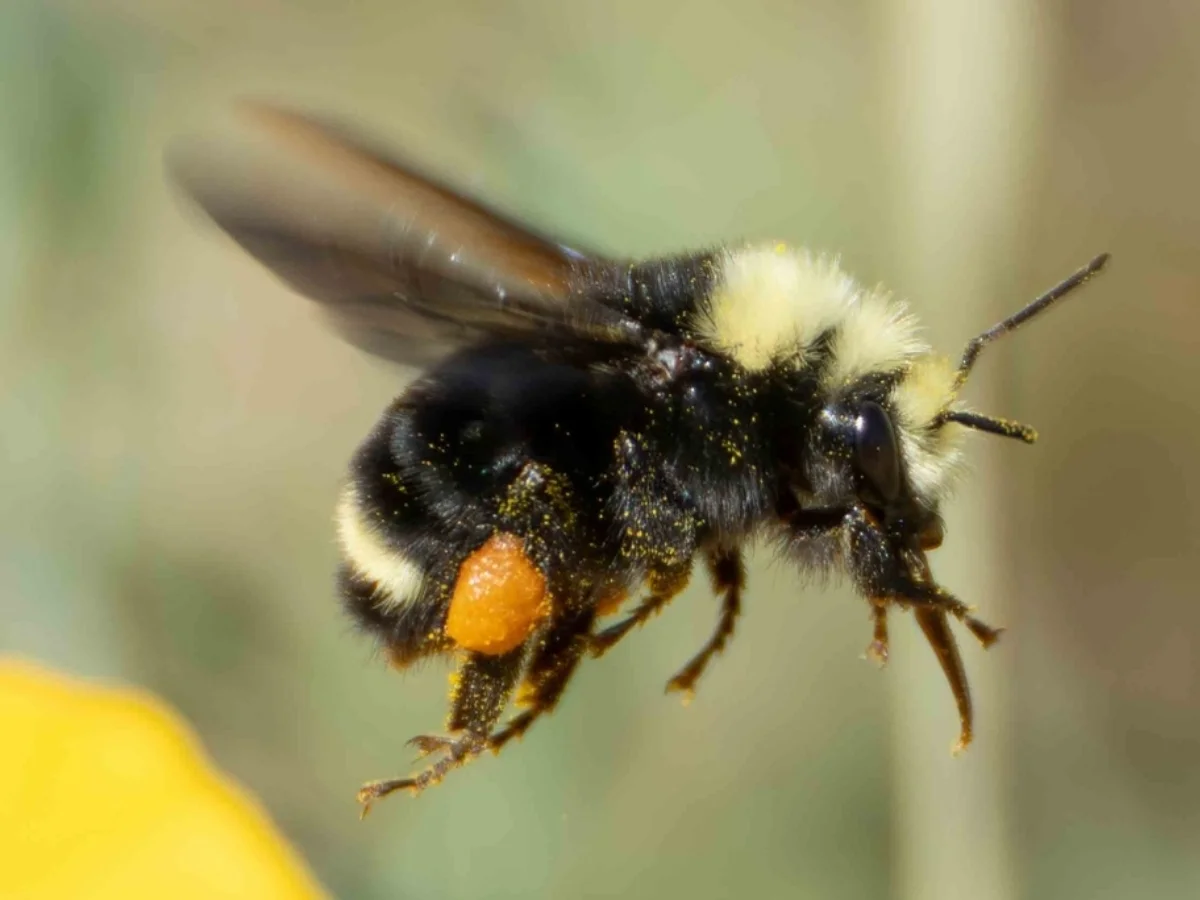
    Yellow-faced Bumble Bee

    Bombus vosnesenskii

    Pollinates
    Buzz-pollinated crops like tomatoes, peppers, and blueberries, plus many native wildflowers. Active in cool weather honey bees skip.
    When active
    Queens emerge as early as February at lower elevations. Colonies peak from late spring through August.
    Field note
    Common across Nevada and one of the easier bumble bees to identify: solid black body, bright yellow face, yellow band across the abdomen. If you hear loud buzzing on a tomato flower, that buzz is literally how the bee shakes pollen loose.
    Photograph of a Yellow-faced Bumble Bee, Bombus vosnesenskii

    Yellow-faced Bumble Bee

    Bombus vosnesenskii

    Photo: Kristin (Kristinv) / iNaturalist · CC BY-NC

  3. Mason & leafcutter bees

    Blue Orchard Mason Bee

    Osmia lignaria

    Pollinates
    Tree fruits: apples, cherries, plums, almonds. A single mason bee can pollinate as effectively as several honey bees on early-spring orchards.
    When active
    Early spring, often before honey bees are flying in cooler microclimates. Adult flight window is short: six to eight weeks.
    Field note
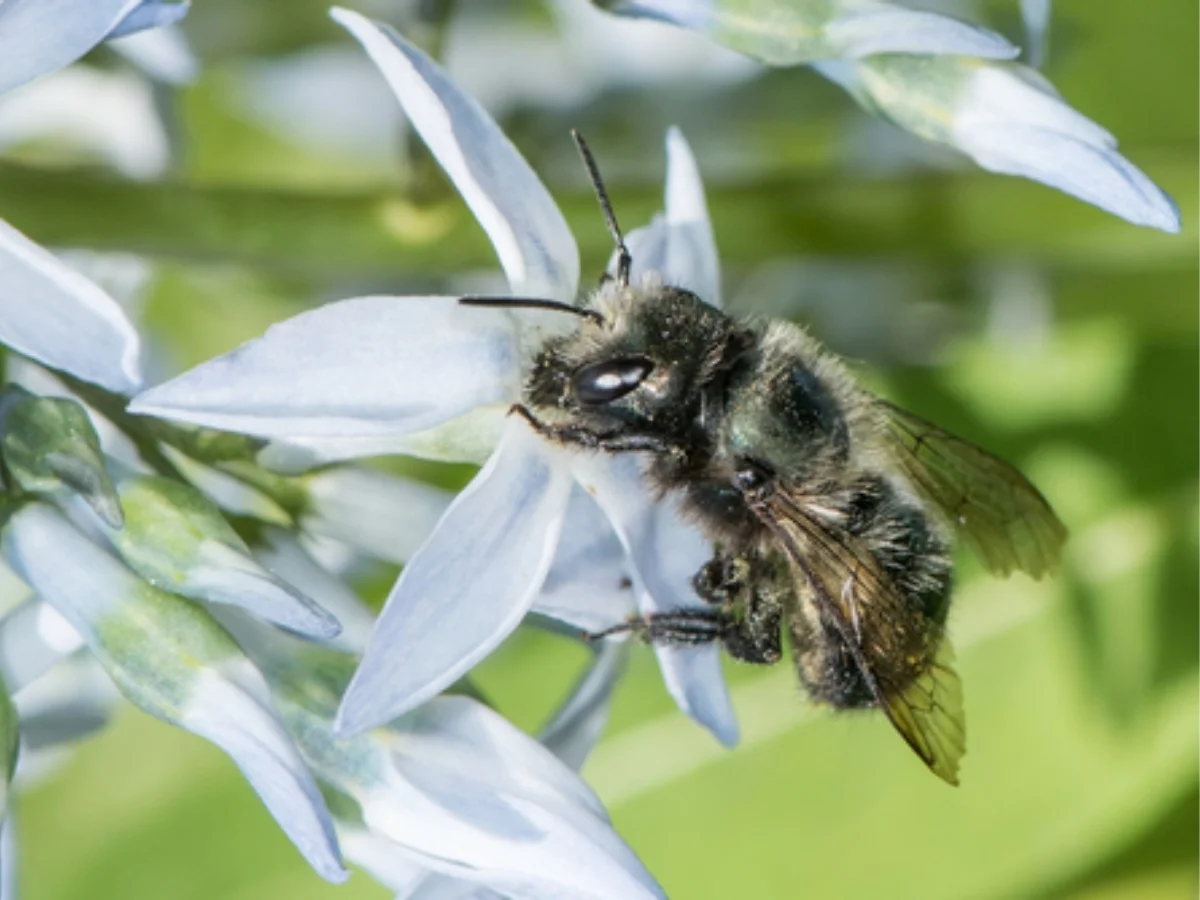
    Solitary, not social. Females nest in cavities: hollow stems, beetle holes, purpose-built bee houses. If you spot a small metallic-blue bee in March or April near an apple tree, it’s probably this one.
    Photograph of a Blue Orchard Mason Bee, Osmia lignaria

    Blue Orchard Mason Bee

    Osmia lignaria

    Photo: Heather Holm / iNaturalist · CC BY-NC

  4. Mason & leafcutter bees

    Alfalfa Leafcutter Bee

    Megachile rotundata

    Pollinates
    Alfalfa and many seed crops, managed at scale across Nevada’s seed agriculture. Also a strong garden pollinator where established.
    When active
    Mid-summer, peaking during alfalfa bloom in June through August.
    Field note
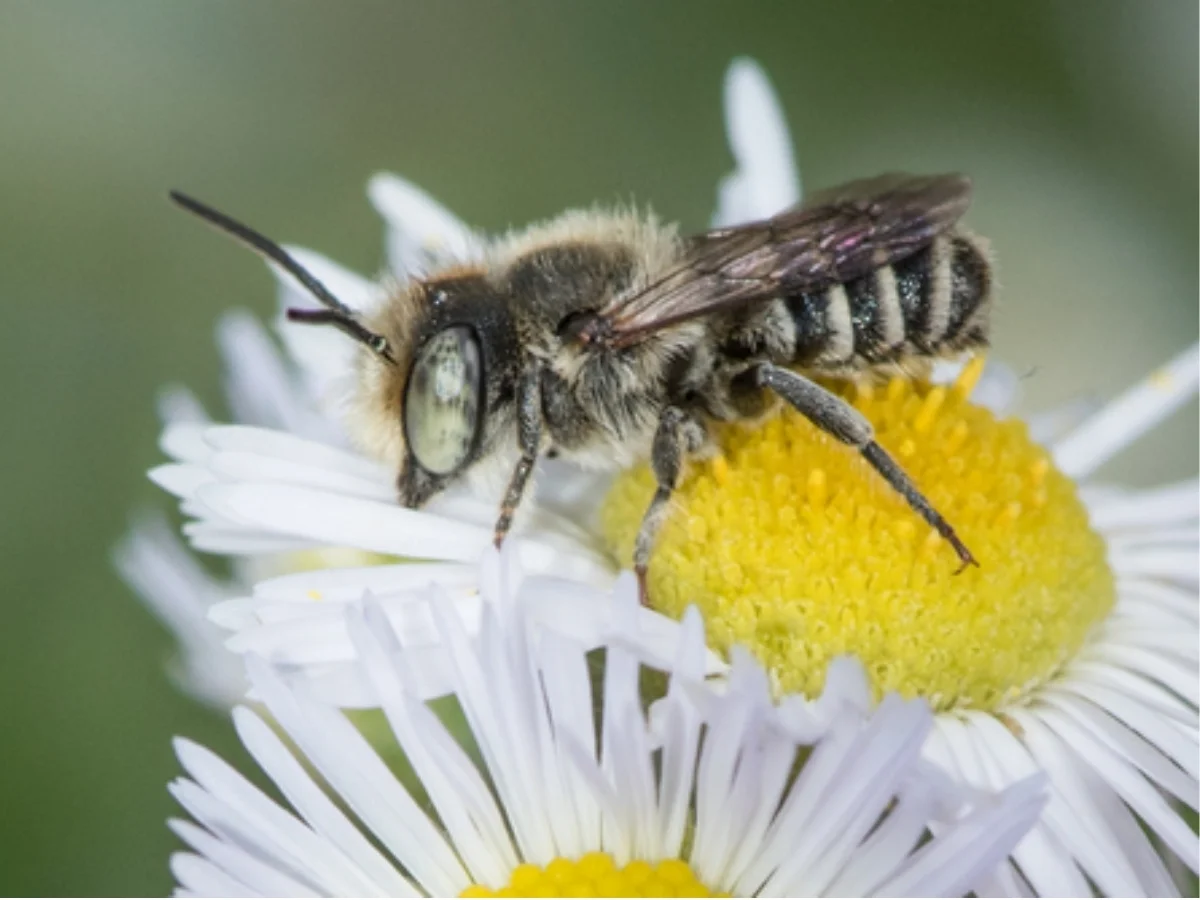
    Cuts smooth circles out of leaves to line its nest cavities. Spot a rose leaf with a perfect half-circle missing and you’re looking at the work of a leafcutter that morning. Not damage. The bee being a bee.
    Photograph of a Alfalfa Leafcutter Bee, Megachile rotundata

    Alfalfa Leafcutter Bee

    Megachile rotundata

    Photo: Heather Holm / iNaturalist · CC BY-NC

  5. Butterflies & moths

    Painted Lady

    Vanessa cardui

    Pollinates
    A wide range of native wildflowers and many garden plants. A reliable, generalist nectar feeder rather than a specialist.
    When active
    Spring through fall in the Truckee Meadows. Reliably encountered in residential yards every year, with periodic mass migrations through Nevada that bring much larger numbers.
    Field note
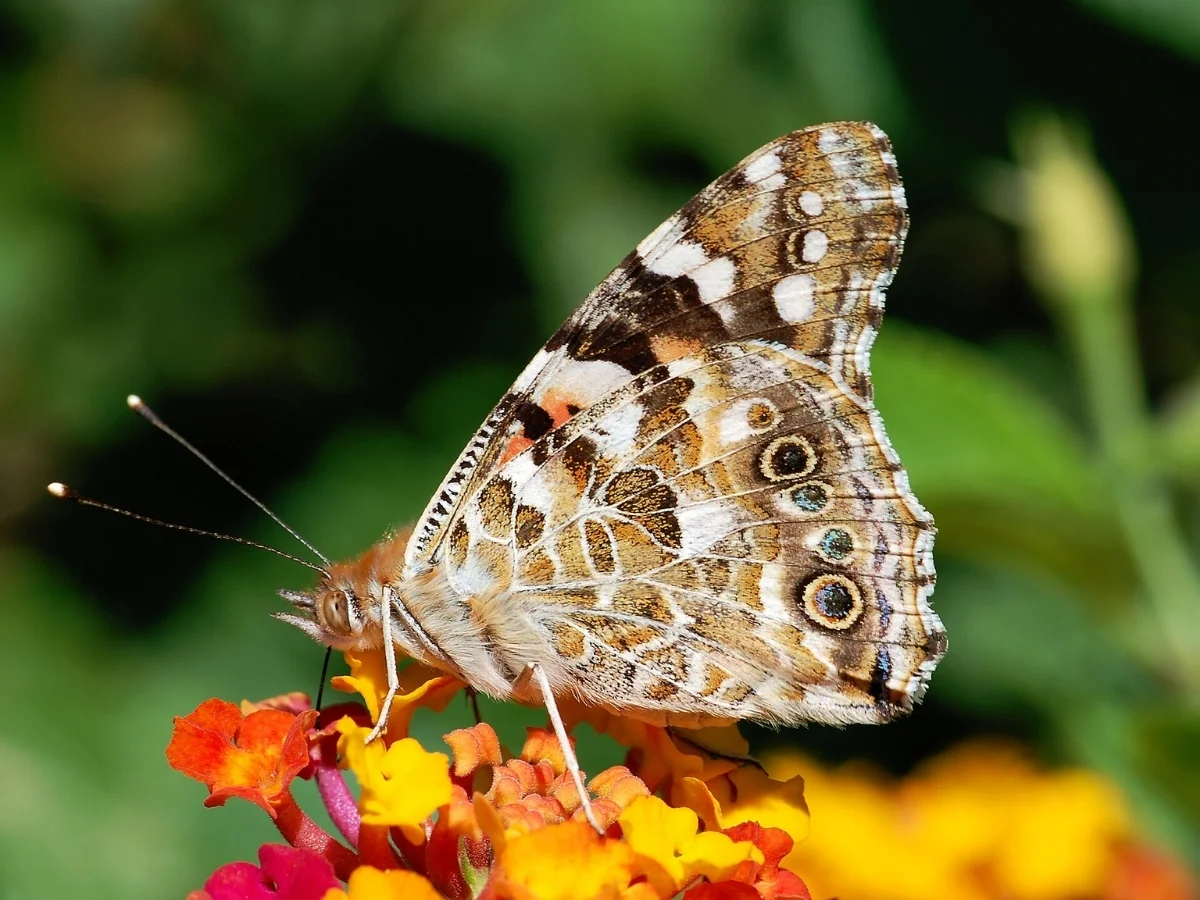
    Easy to identify: orange and black wings with small white spots near the wing tips. The butterfly most likely to be pollinating something in your own yard right now, year after year.
    Photograph of a Painted Lady, Vanessa cardui

    Painted Lady

    Vanessa cardui

    Photo: Alvesgaspar / Wikimedia Commons · CC BY-SA 4.0

  6. Butterflies & moths

    White-lined Sphinx Moth

    Hyles lineata

    Pollinates
    Tube-flowered native plants like evening primrose, four-o’clock, and larkspur, plus some food crops at the edges. A major dusk and nighttime pollinator.
    When active
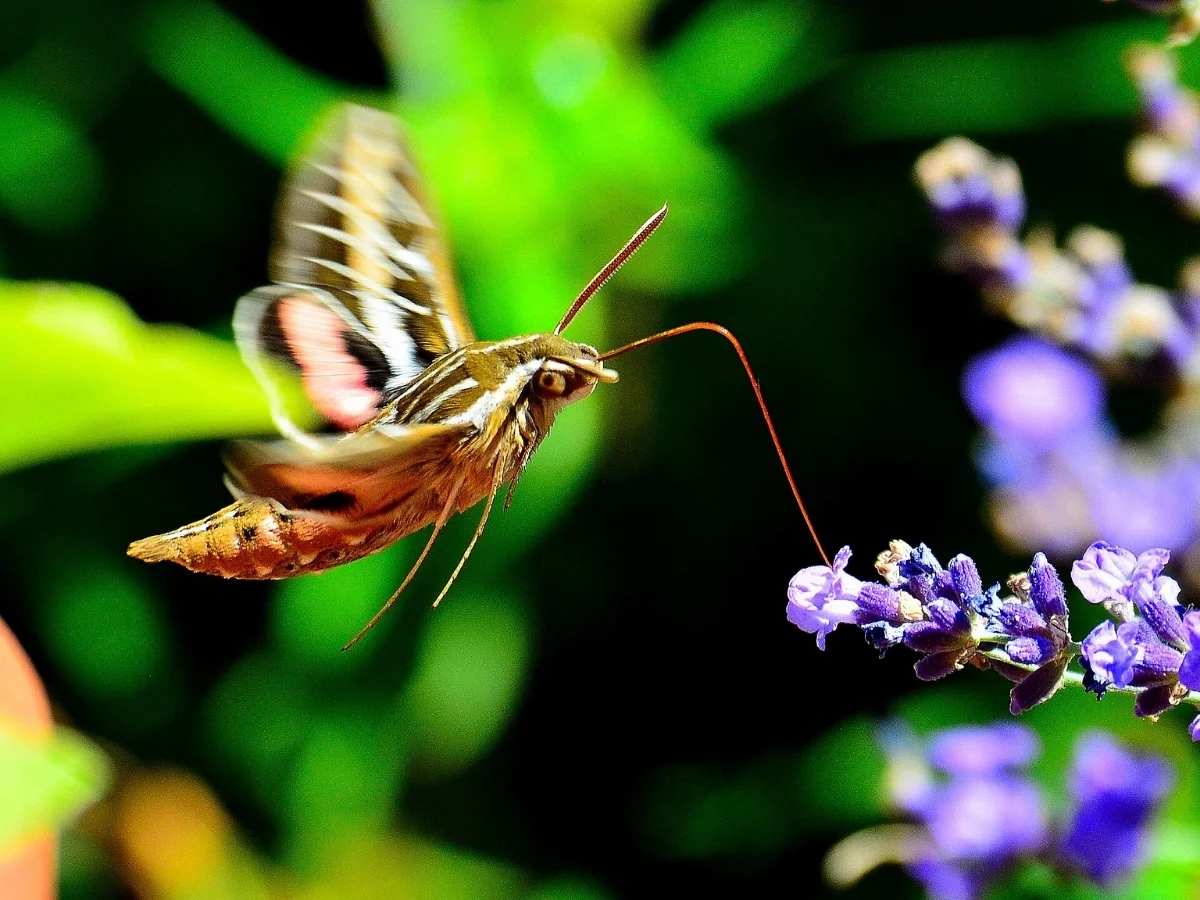
    Late spring through early fall. Crepuscular and nocturnal feeding. Adults hover at flowers like hummingbirds.
    Field note
    Often mistaken for a hummingbird at first glance. If something hovers and feeds at flowers at dusk and looks “wrong” for a bird, it’s almost certainly this. Caterpillars sometimes show up in big numbers on roadsides.
    Photograph of a White-lined Sphinx Moth, Hyles lineata

    White-lined Sphinx Moth

    Hyles lineata

    Photo: Larry Lamsa / Wikimedia Commons · CC BY 2.0

  7. Flies & beetles

    Hover Fly

    Eristalis tenax

    Pollinates
    A wide-spectrum visitor: many garden vegetables, herbs, and wildflowers. Important for early-season pollination when bees are still cold.
    When active
    Spring through fall. Often the first pollinator visible on a sunny February day in the Truckee Meadows.
    Field note
    Looks like a small bee or wasp with yellow and black bands, but hovers in place, has only two wings, and large fly eyes. The most common pollinator people misidentify as a bee. The larvae are aphid predators, so the adults pollinate while the kids do pest control.
    Photograph of a Hover Fly, Eristalis tenax

    Hover Fly

    Eristalis tenax

    Photo: fir0002 / flagstaffotos / Wikimedia Commons · GFDL 1.2

  8. Hummingbirds & bats

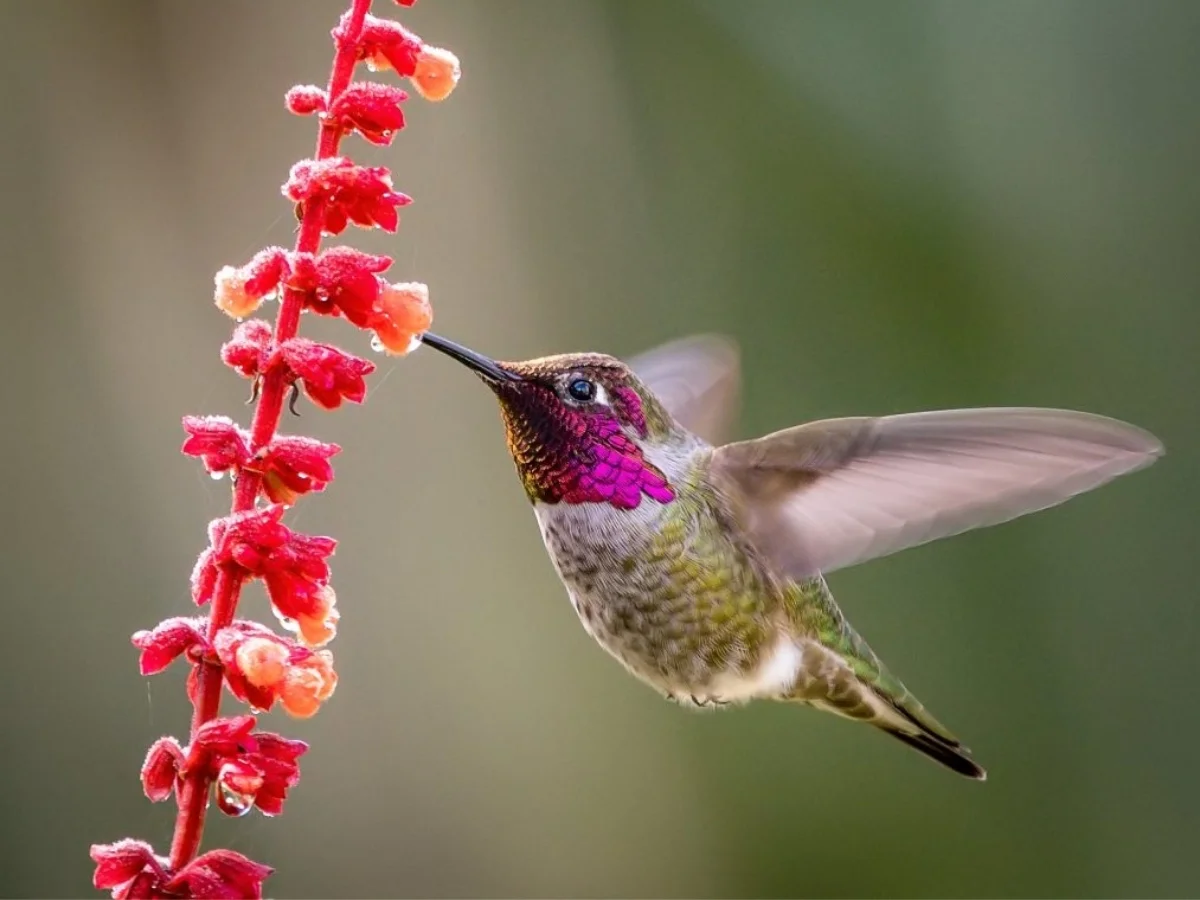
    Anna’s Hummingbird

    Calypte anna

    Pollinates
    Tube-flowered natives like penstemon, hummingbird trumpet, and Indian paintbrush, plus garden ornamentals like salvia and bee balm.
    When active
    Year-round resident at lower elevations of the Truckee Meadows. Nests as early as January or February.
    Field note
    Black-chinned Hummingbirds are migratory and arrive in spring. Anna’s stays through winter, which is why backyard feeders are still relevant in December.
    Photograph of a Anna’s Hummingbird, Calypte anna

    Anna’s Hummingbird

    Calypte anna

    Photo: Becky Matsubara / Flickr · CC BY 2.0

What’s on the menu

The food side of the work.

UNR notes that more than 90 U.S. specialty crops require pollination, including pumpkins, squash, cucumbers, and fruit trees[3][2]. When we talk about “what bees do for our food,” this is the literal answer: a third of what most people eat traces back to a flower visit someone or something made in the season before.

And not every visit is interchangeable. SARE guidance, summarized in the NNFC talk, points out that different bees specialize on different crops: mason bees for tree fruits, bumble bees for buzz-pollinated crops like tomatoes and blueberries, leafcutter bees for alfalfa and seed systems[2]. A region with one pollinator species in abundance and the others missing is one disease outbreak from a serious problem. Diversity is the redundancy that keeps food production stable.

Why this is harder than it used to be

Four pressures, each with a corresponding action.

The pressures on pollinators are well documented[1][2]. The honest framing is that none of them are mysterious. Each pressure has an answer that someone in this region is already working on.

  1. 1

    Habitat loss.

    Lawns, over-mowing, weed eradication, bare landscaping, and simplified agricultural land reduce forage and nesting sites.

  2. 2

    Pesticides.

    Neonicotinoids, pyrethroids, herbicide-driven floral loss, and routine spray culture all weaken pollinator systems.

  3. 3

    Water and climate stress.

    Heat and drought reduce bloom quality, compress floral windows, and stress farms and wild habitat at the same time.

  4. 4

    Honey bee health pressures.

    Varroa, viruses, colony losses, and poor forage make managed pollination less reliable and more costly.

When we improve forage, reduce pesticides, restore habitat, and use water wisely, pollinators do better. When pollinators do better, farms and gardens produce more reliably. When production is more reliable, local food systems become stronger, more diverse, and more secure.

Joseph Schmitt

Where habitat lives

Sage-steppe, riverbank, neighborhood, schoolyard.

Pollinator habitat in Nevada is not in one place. It lives in the sage-steppe outside town, along the Truckee River corridor, in residential yards and school gardens, and on the edges of working farms. Each habitat supports a different set of species, and each is fed by a different list of plants.

Pick a habitat to see the pollinators it holds and the plants that feed them.

Nevada habitat

Sage-steppe

Outside town

Choose a habitat

The Great Basin scrubland that surrounds the Truckee Meadows. Vast, dry, and biologically richer than most residents realize.

Pollinators it supports

  • Native bumble bees
  • Solitary mining bees
  • White-lined Sphinx Moth
  • Hover flies

Plants that feed them

  • Big sagebrush (Artemisia tridentata)
  • Rabbitbrush (Ericameria nauseosa)
  • Desert paintbrush (Castilleja chromosa)
  • Buckwheats (Eriogonum spp.)
  • Penstemon species

Plant lists from UNR Cooperative Extension and Xerces Society habitat guidance.

The Great Basin angle

You can’t import a coastal answer to a high-desert problem.

Pollinator work in this region has its own physics. Bloom windows are shorter and more punishing. Water shapes everything: which plants survive the summer, which corridors stay green, where pollinators can find forage between the heat waves. The 1,000-plus native bee species the state hosts are adapted to this place specifically[3]. Generic “plant a pollinator garden” advice doesn’t always translate. Plant lists built for the Great Basin do.

That’s why the regional research voice matters. UNR’s Desert Farming Initiative works on water-efficient production practices that suit the Great Basin[4], and Cooperative Extension publishes county-specific guidance for habitat, gardens, and small farms[3]. The answers exist; they have local accents.

Who is doing it

Three organizations doing the pollinator work right now.

These three are not the only ones, but each does a different and complementary part of the work. Their full directory profiles, including ways to support, are linked below.

See all pollinator-focused organizations in the directory →

What you can do

Three actions that move the line.

  • Plant for them

    More native bloom across the season.

    Yards, schoolyards, public landscapes, and farm edges. Less sterile landscaping, more pollinator corridors.

  • Learn the species near you

    Spot the work in your own neighborhood.

    The more residents recognize what’s pollinating their yards and parks, the more momentum the broader work picks up.

  • Support the people doing it

    Local pollinator and food-system organizations are doing the work in the open.

    Volunteer, share what they publish, show up to a planting day, or contribute when you can.

A food-secure Nevada is pollinator-secure, water-wise, and locally resilient. That is the straight line: protect the ecological foundation, strengthen the local food system, and more people can eat well with greater stability[2].